Understanding Your Vehicle’s Transmission: Manual vs. Automatic
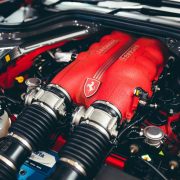
The heart of any vehicle is its engine, but the transmission is equally critical as it’s the system that delivers the engine’s power to the wheels. The two primary types of transmissions found in most vehicles today are manual and automatic. Understanding the differences, benefits, and drawbacks between these two can be crucial when deciding what vehicle to purchase or how to maintain the one you already own.
Defining Manual and Automatic Transmissions
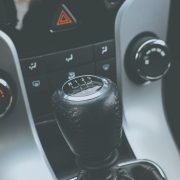
A manual transmission, often called a stick shift, requires the driver to manually select and engage the gear ratios. This is done using a gear stick and a clutch pedal.
On the other hand, an automatic transmission does this work for you, automatically changing gear ratios as the vehicle moves, freeing the driver from having to shift gears manually.
Manual vs. Automatic: The Key Differences
- Driving Experience
With a manual transmission, the driver has more control over the vehicle’s performance. The manual gear shifting allows for a more engaged driving experience. However, it can be more challenging to learn and requires more effort, particularly in stop-and-go traffic or on steep hills.
Conversely, vehicles with automatic transmissions are generally easier to drive and are more comfortable for daily commuting, especially in traffic-prone areas, as they don’t require manual gear shifting.
- Fuel Efficiency
Historically, manual transmissions were known to be more fuel-efficient than their automatic counterparts. However, advancements in technology have significantly improved the fuel efficiency of automatic transmissions, making the difference almost negligible in many modern vehicles.
- Maintenance and Repair Costs
Manual transmissions typically have lower maintenance and repair costs compared to automatic transmissions. They are simpler in design, meaning there’s less that can go wrong and repairs are generally less expensive. However, an improperly used manual transmission can lead to premature wear, particularly on the clutch.
Automatic transmissions, while generally more robust and longer-lasting, can be significantly more expensive to repair or replace due to their complexity.
- Vehicle Control
Manual transmissions tend to offer better vehicle control, particularly in extreme conditions like snow or off-roading. The ability to manually select your gear ratio can provide a significant advantage in these scenarios.
Automatic transmissions, however, offer easier handling and convenience, especially for novice drivers or those who prefer a more relaxed driving experience.
In conclusion, the choice between a manual and automatic transmission depends largely on your driving style, preferences, and needs. If you enjoy a more hands-on, controlled driving experience, you may prefer a manual transmission. If convenience, ease of use, and a more relaxed driving experience are more important to you, an automatic transmission may be the best choice.
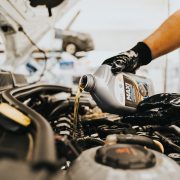
Remember, understanding your vehicle’s transmission and its maintenance needs can greatly enhance its performance and lifespan. Whether you’re a manual enthusiast or an automatic devotee, regular maintenance is key to keeping your vehicle running smoothly.